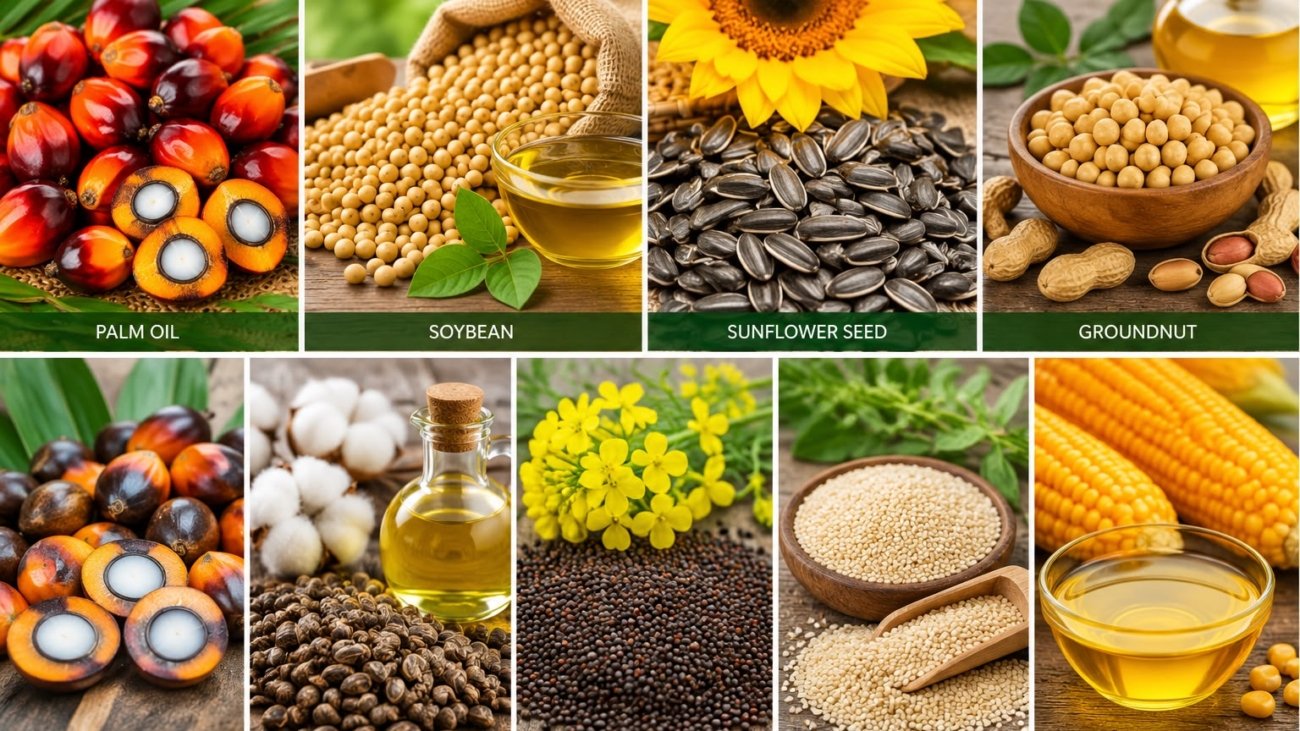

There is no magic number of teaspoons that can be prescribed to every human being.
There is also no single edible oil that can be declared universally “the healthiest.”
The better question is:
How much fat does my overall diet provide, what type of fat am I consuming, and how am I using the oil?
And when it comes to palm oil, the answer should be equally balanced.
Palm oil is an edible vegetable oil, not a poison. But it is relatively high in saturated fat, so moderation and the overall dietary pattern matter.
The real objective should not be “zero oil.”
It should be:
The right oil. The right quantity. The right application.
Edible Oils Compared: Which Oil Is Healthy and Economical?
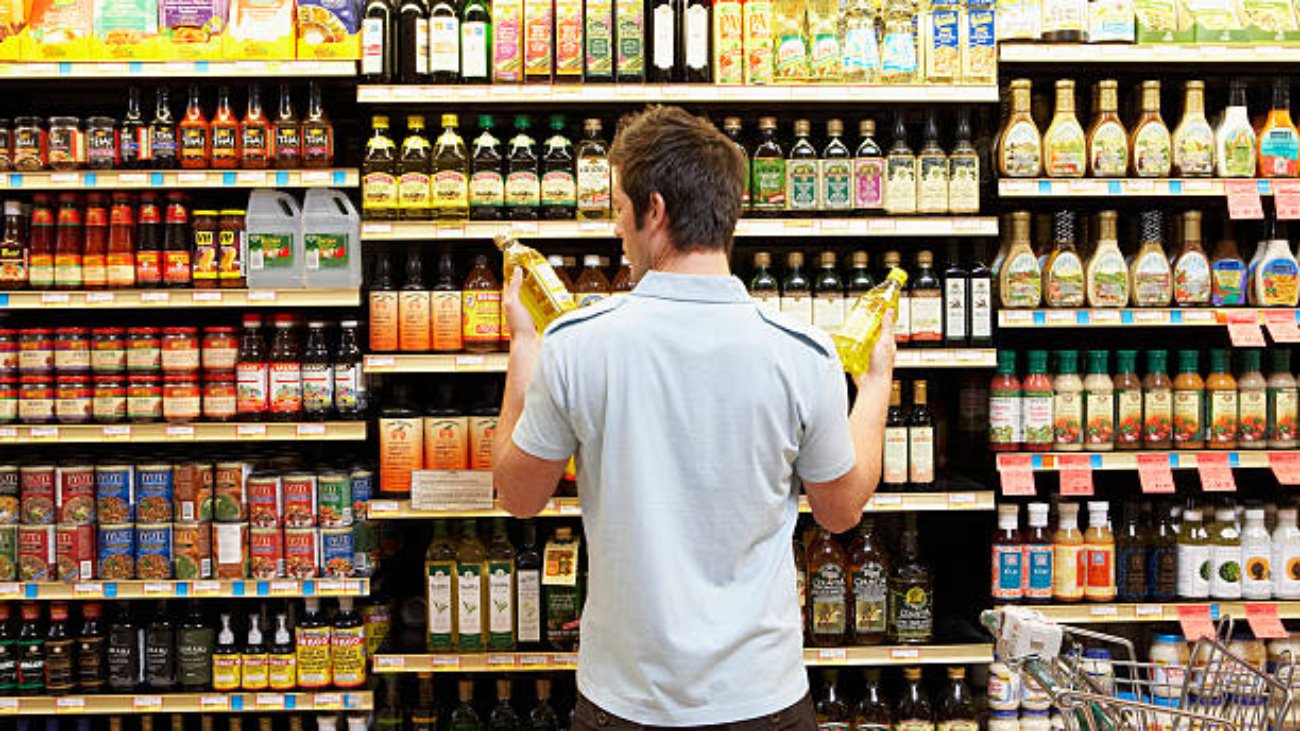
Walk into any Indian supermarket and the choice of cooking oils can be confusing.
Coconut oil. Gingelly oil. Rice bran oil. Sunflower oil. Palm oil. Soybean oil. Groundnut oil.
Every oil seems to have its own health claim.
One is rich in MUFA. Another is rich in PUFA. One is traditional. Another is inexpensive. Some are promoted as heart-friendly.
So, which edible oil is actually healthy? And can we find an oil that is both healthy and economical?
The answer is not as simple as choosing one “best” oil.
To understand why, we first need to understand the different types of fats.
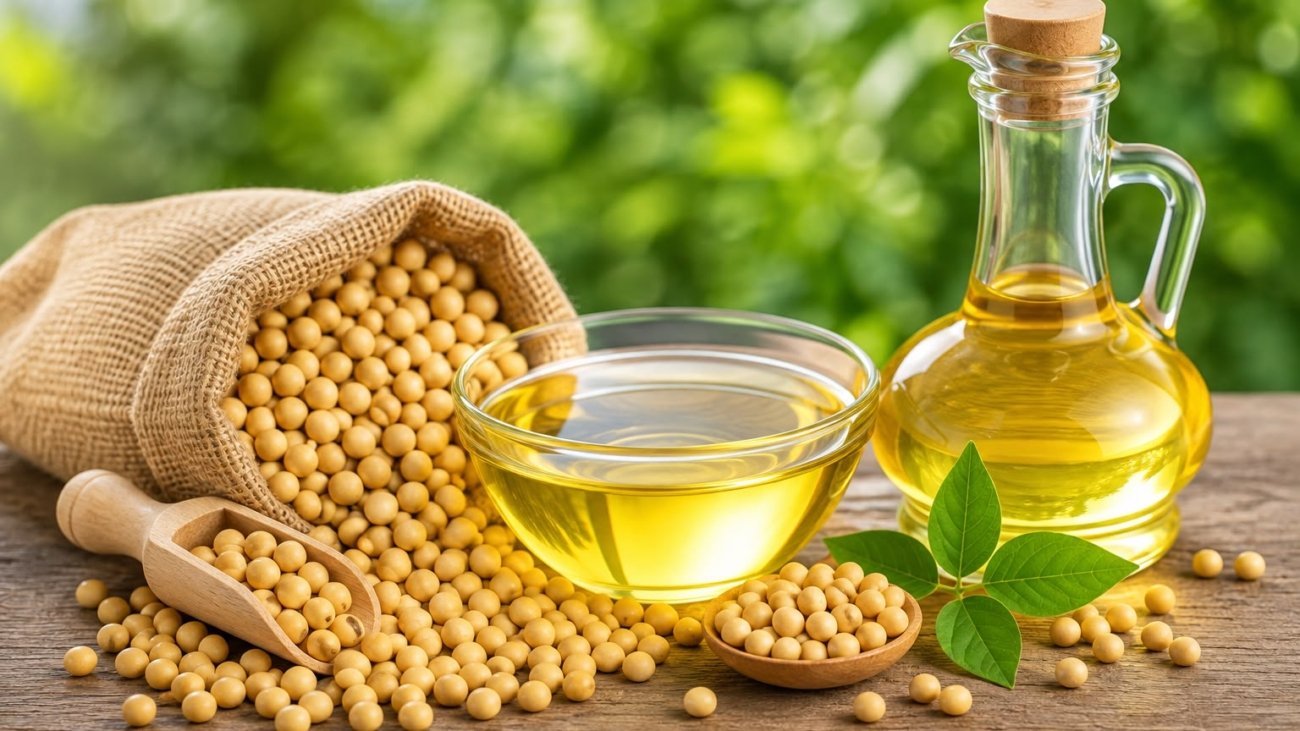
Soybean Oil: From Bean to Bottle – Production, Global Consumption, Health Benefits and the Technology Behind It
Until recently, I had associated soybean mainly with soy foods, tofu and soybean meal. I was surprised to discover how important soybean oil has become in the global vegetable-oil industry, particularly across Asia and the Americas.
This article explores the journey from bean to bottle.