Crude Oil Treatment and Refining
Oil obtained from extraction is known as crude vegetable oil. Crude oil is not necessarily suitable for direct consumption because it can contain phospholipids or gums, free fatty acids, pigments, moisture, trace metals and other minor components. Refining removes or reduces undesirable components while producing an oil with the required quality, appearance, flavour, stability and performance.
Degumming
Degumming removes phospholipids and other gum-forming materials from crude oil. Water or other treatment systems may be used depending on the refining route. The objective is to improve oil quality and prepare it for subsequent refining stages.
Neutralization or Physical Refining
Free fatty acids can be reduced through different refining approaches. In chemical refining, free fatty acids are neutralized, generally using an alkaline treatment, producing a soapstock stream that is subsequently separated. In physical refining, free fatty acids are removed during a high-temperature deodorization process. The appropriate route depends on the type and quality of crude oil and the plant's process design.
Bleaching
Bleaching is primarily a purification and colour-improvement operation. Adsorbent materials such as bleaching earth can remove pigments and certain other impurities from the oil. The treated oil is then separated from the spent bleaching material through filtration.
Deodorization
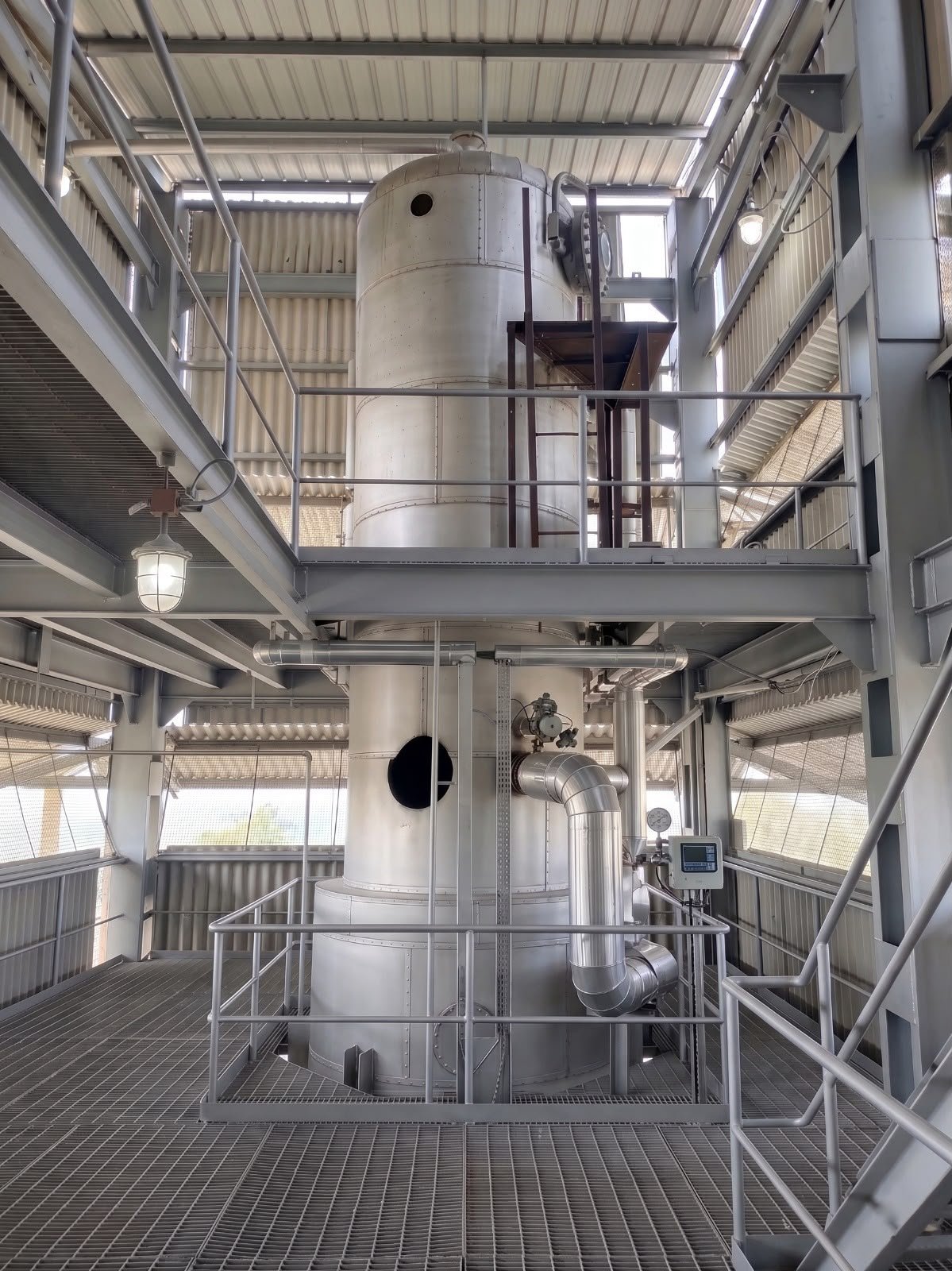
Deodorization is a high-temperature, vacuum-based process used to remove volatile compounds responsible for undesirable odours and flavours. It is an important final refining stage for many edible oils.
Winterization or Dewaxing
Some oils contain waxes that can cause haze or cloudiness at lower temperatures. Where required, winterization or dewaxing removes these components to produce an oil with the desired clarity and cold stability.
Final Filtration and Polishing
The refined oil may undergo final filtration or polishing before being transferred to finished-oil storage. At this stage, quality parameters are checked to ensure that the oil meets the required specifications.
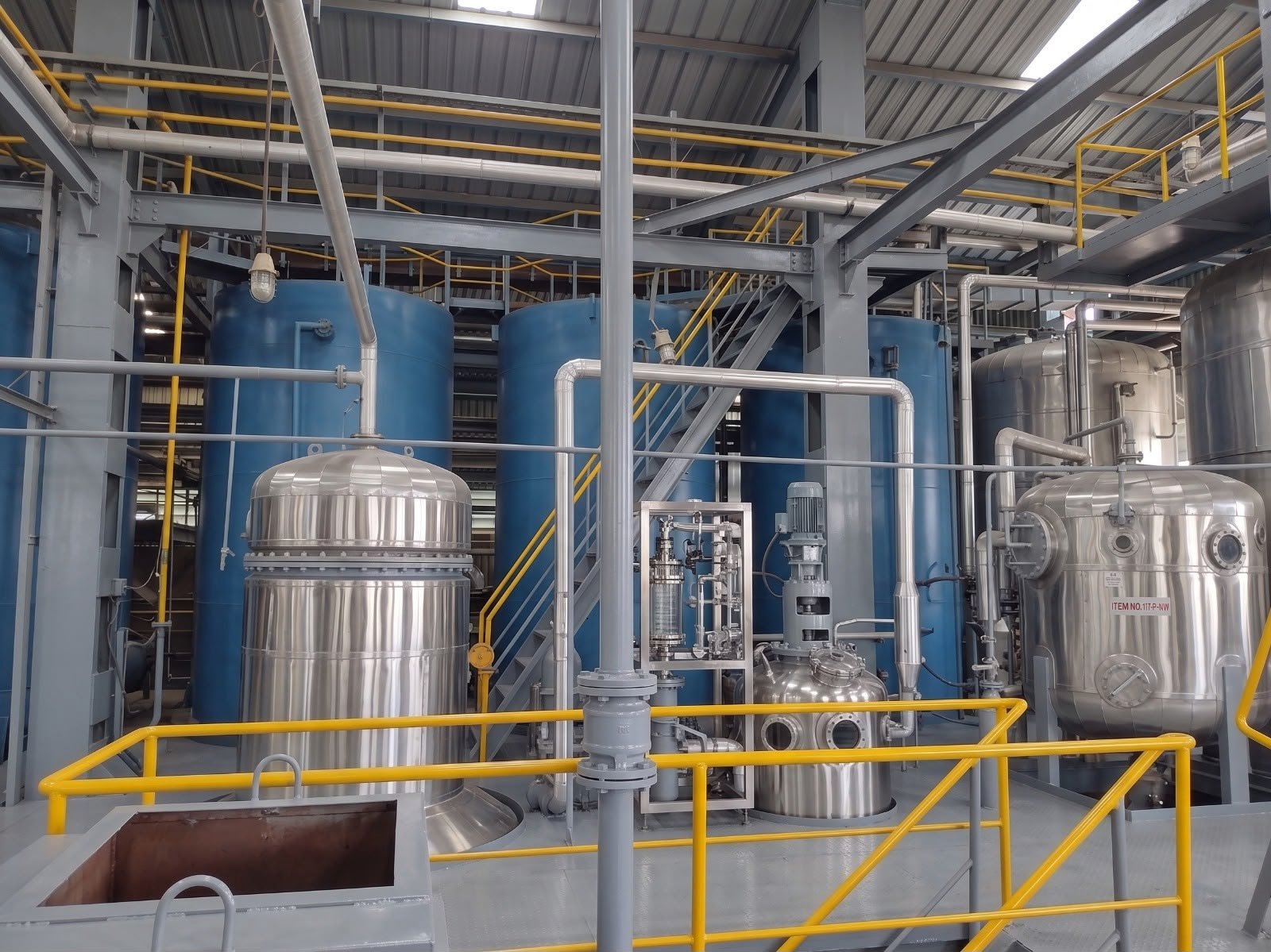
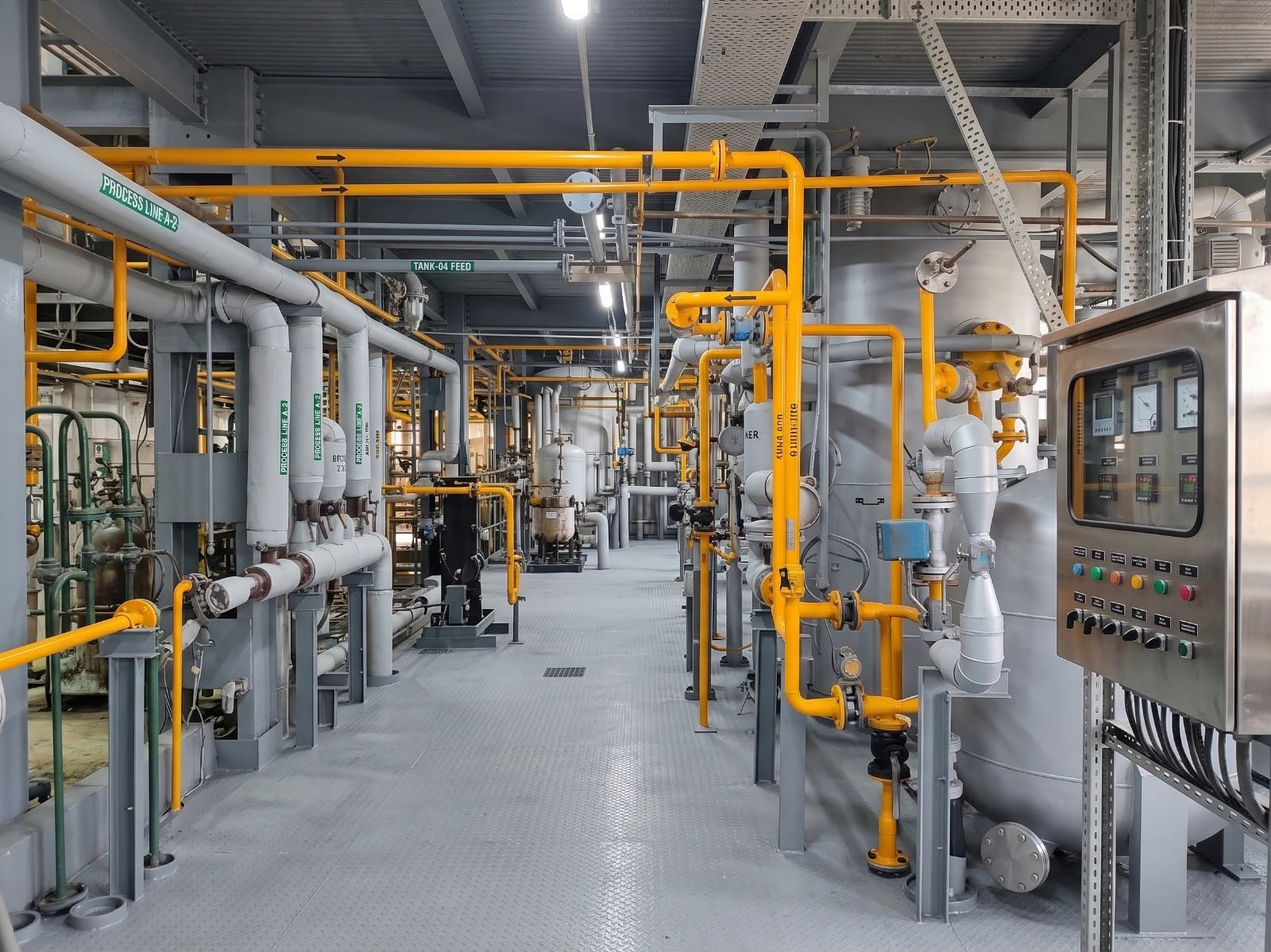
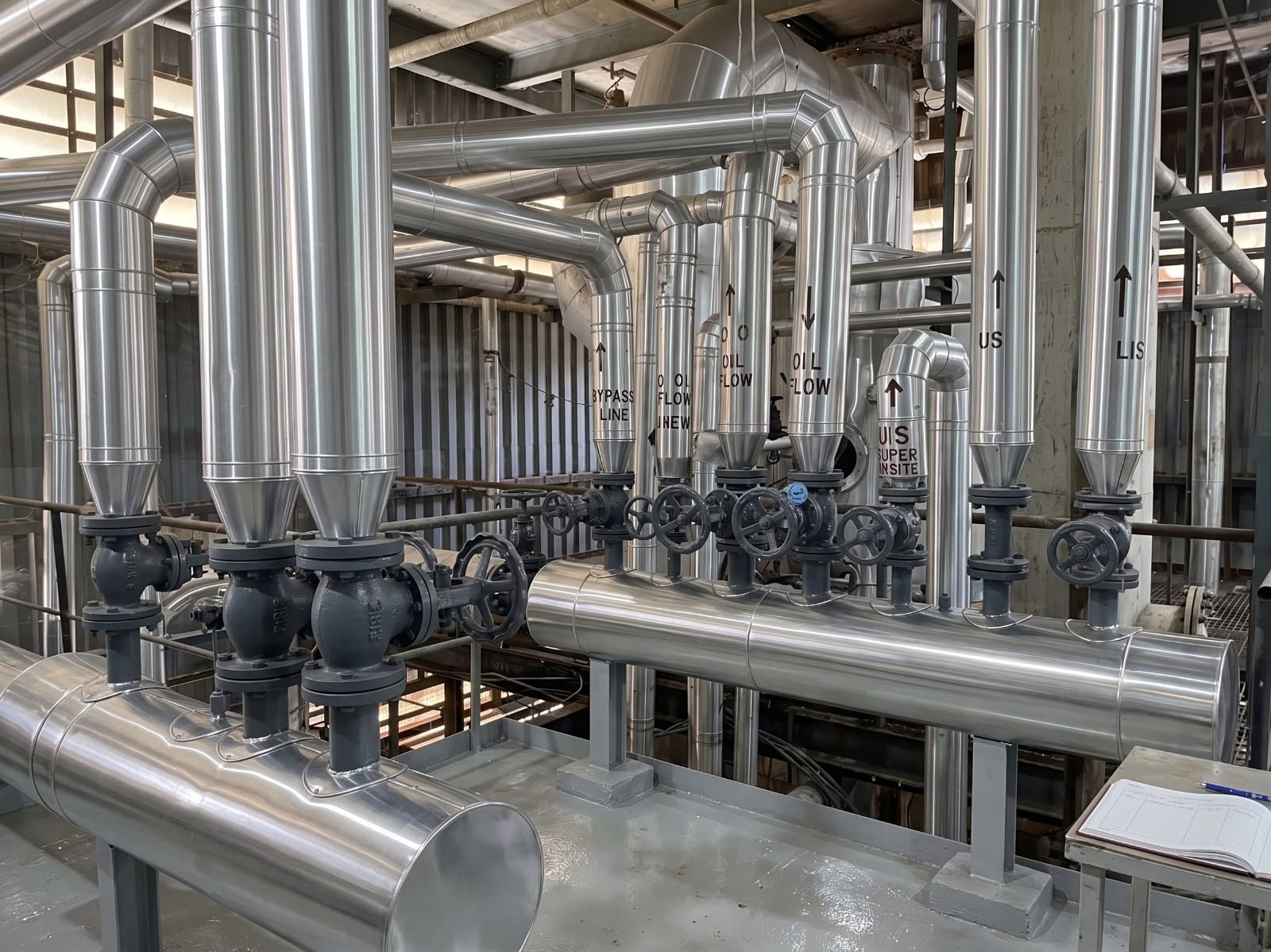
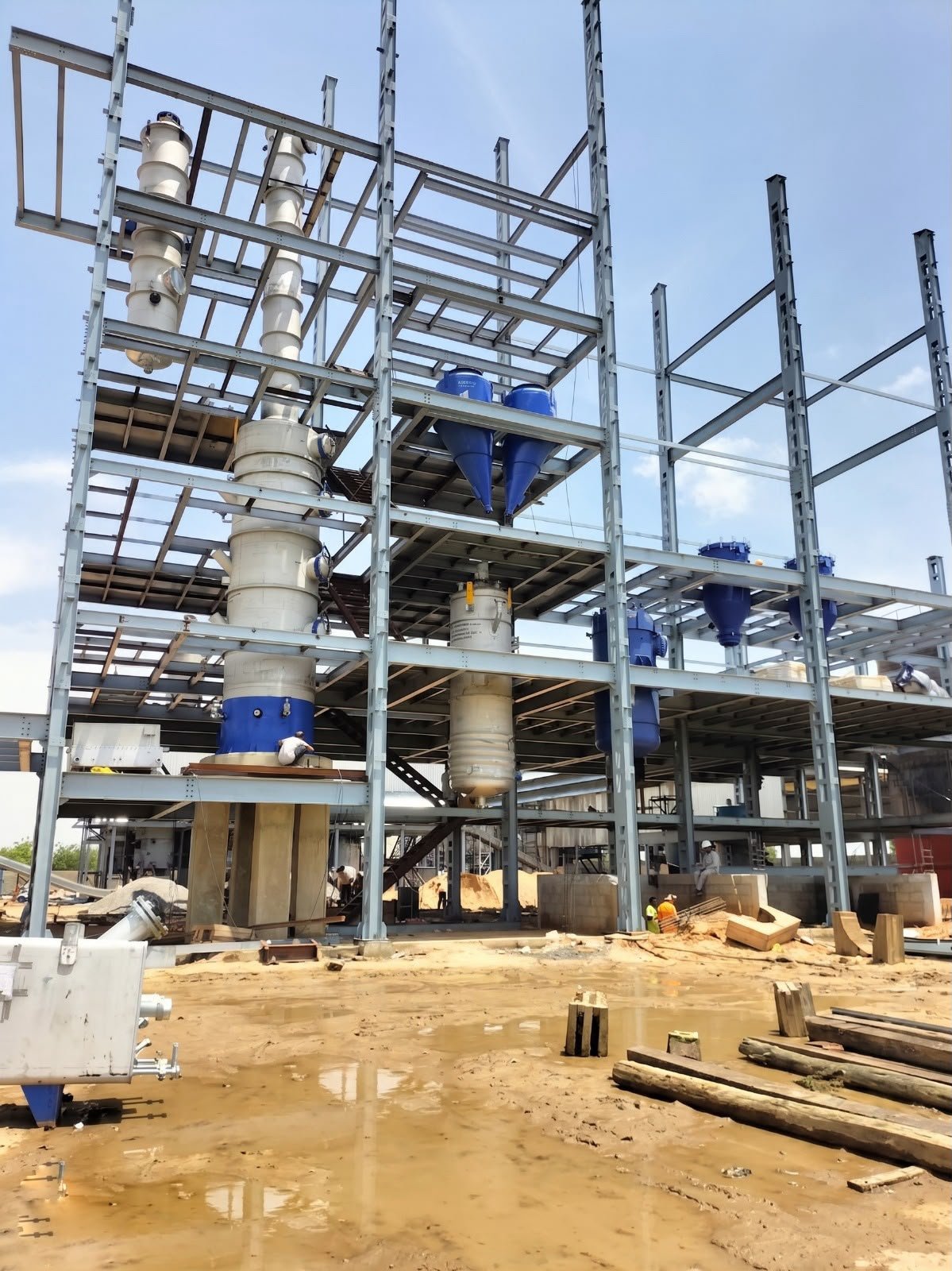
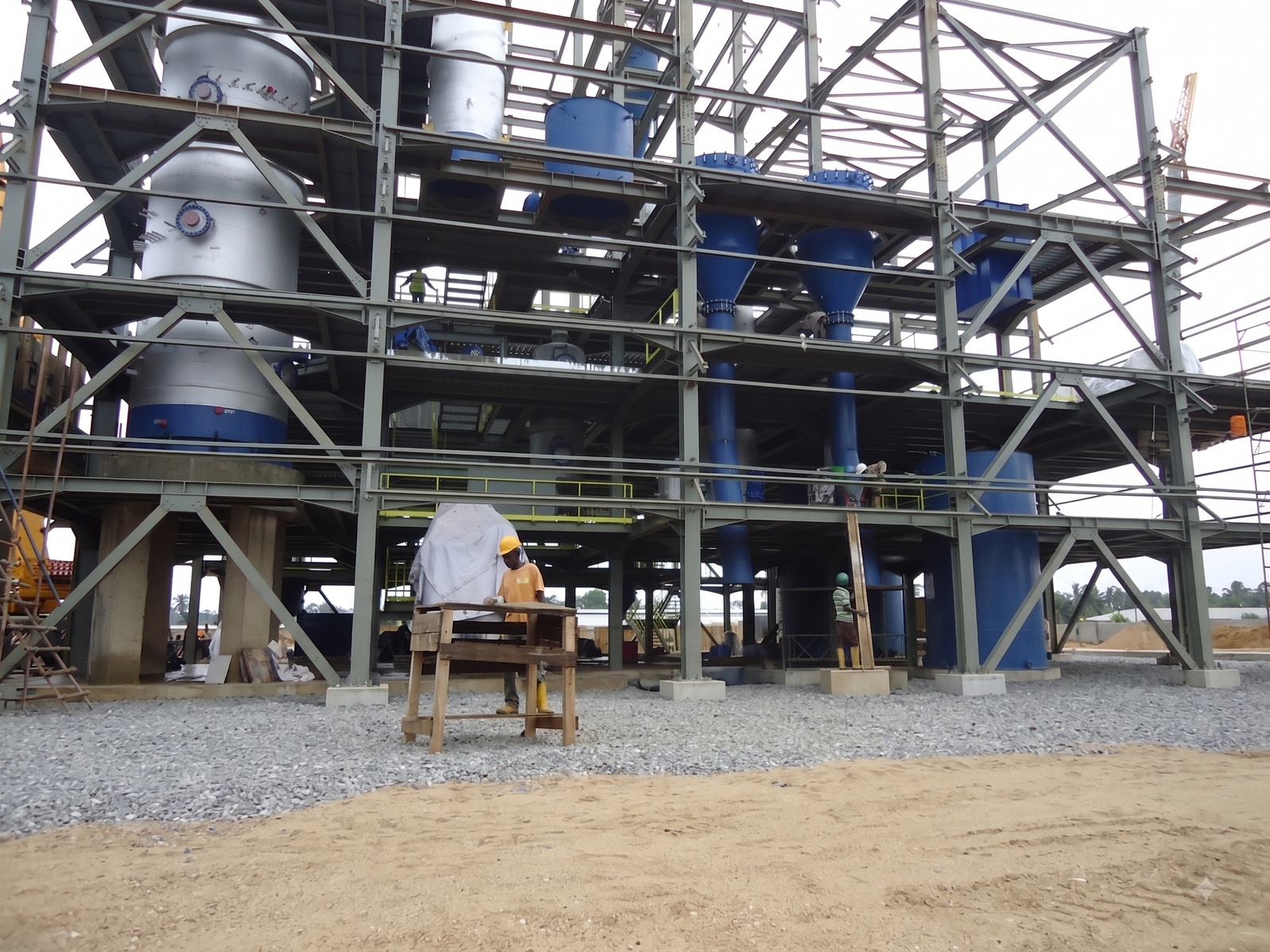
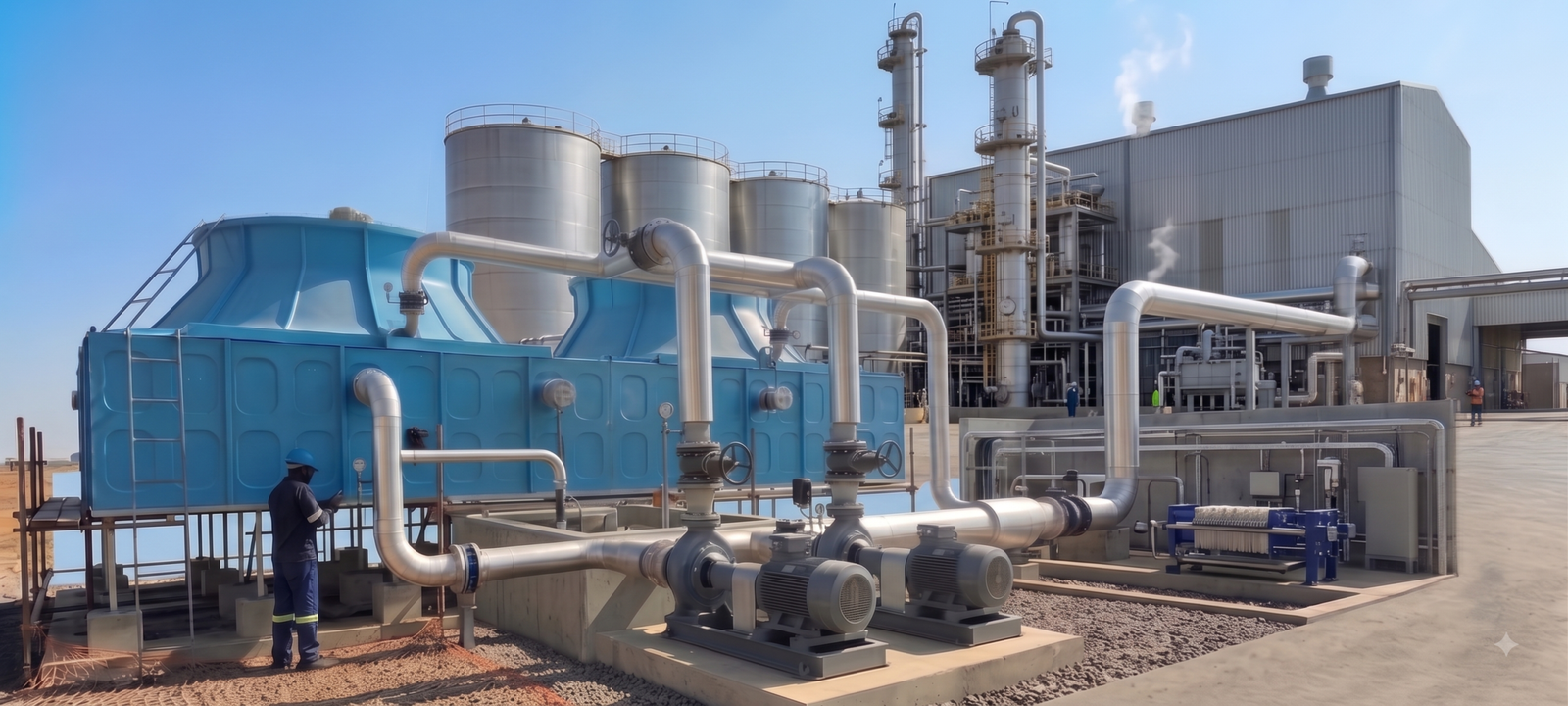
Our Edible Oil Refinery equipment includes:
* Complete Refinery Plants
* Neutralization Systems
* Bleaching Systems
* Deodorization Systems
* Oil Filling & Packing Lines
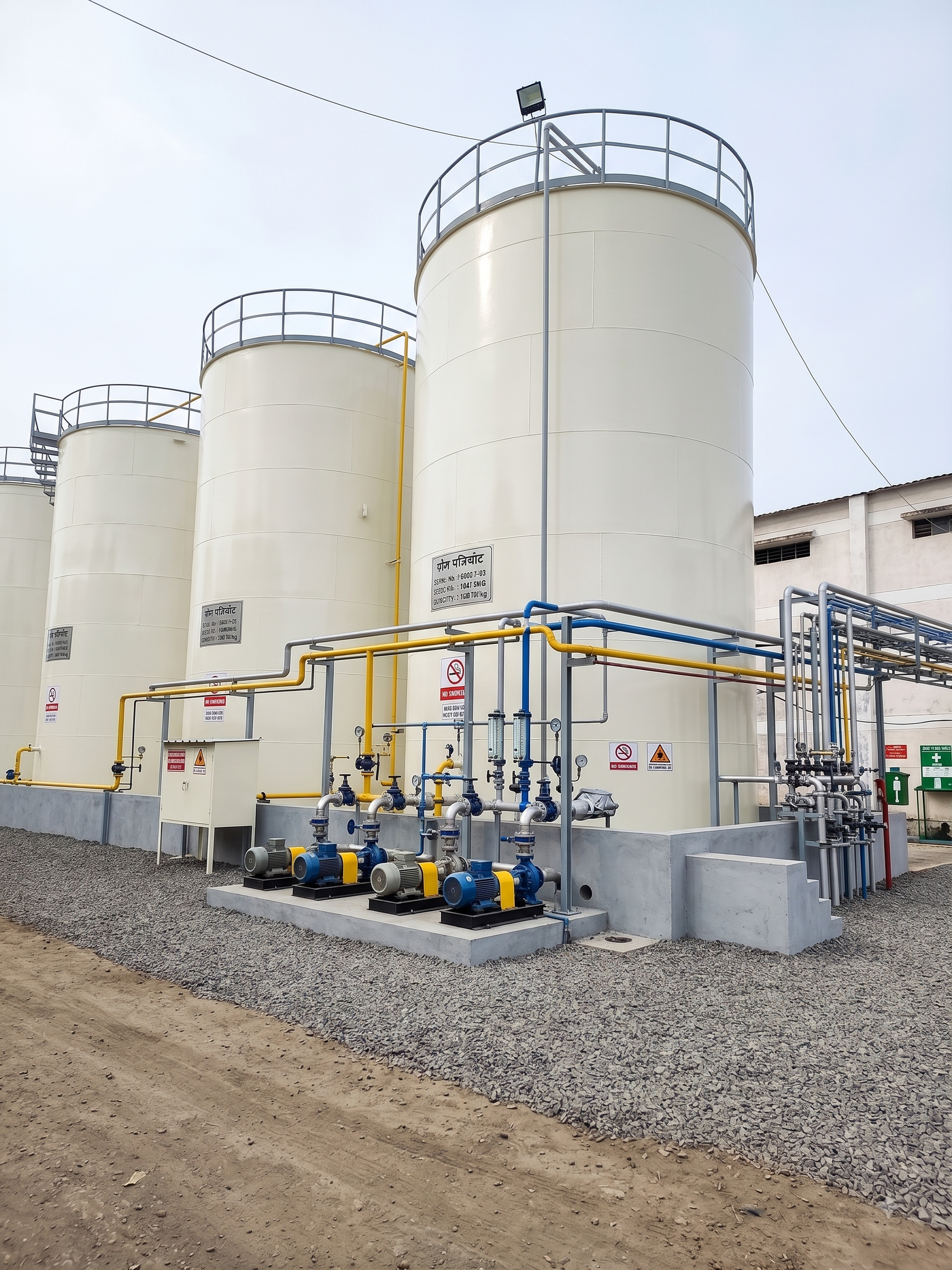
* Storage Tank Farms
* Process Automation