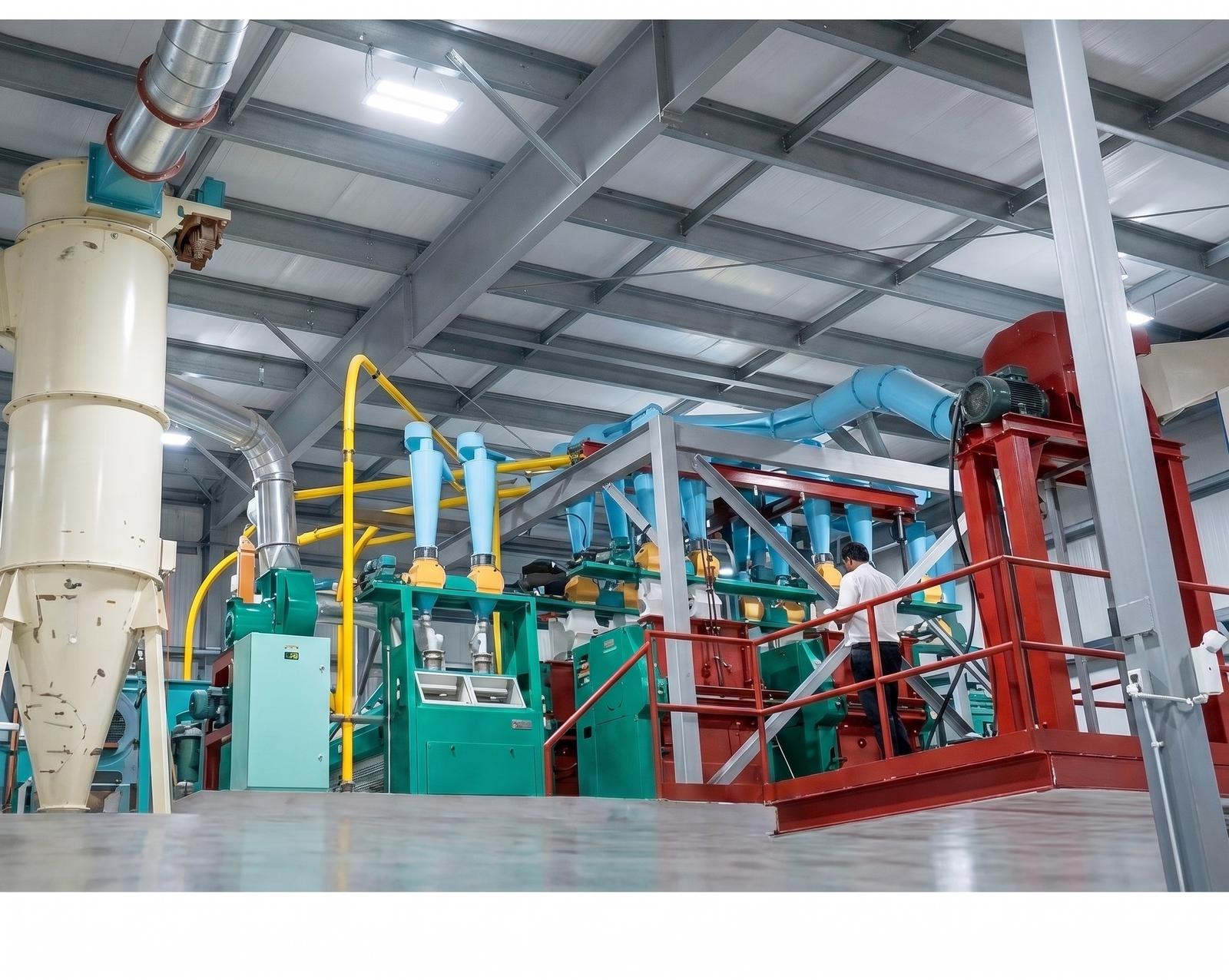
Seed Handling, Preparation & Storage Systems
Seed Cleaning Plants
Edible Oil/Vegetable oil manufacturing process begins with the receipt of oilseeds at the processing plant. Soybean, sunflower, sesame, groundnut, rapeseed/canola, and other oilseeds have different physical and chemical characteristics, so the preparation process is adapted to the specific raw material. Olive Oil, Rice Bran oil and Coconut oil also have specific preparation process based on their nature and attributes.
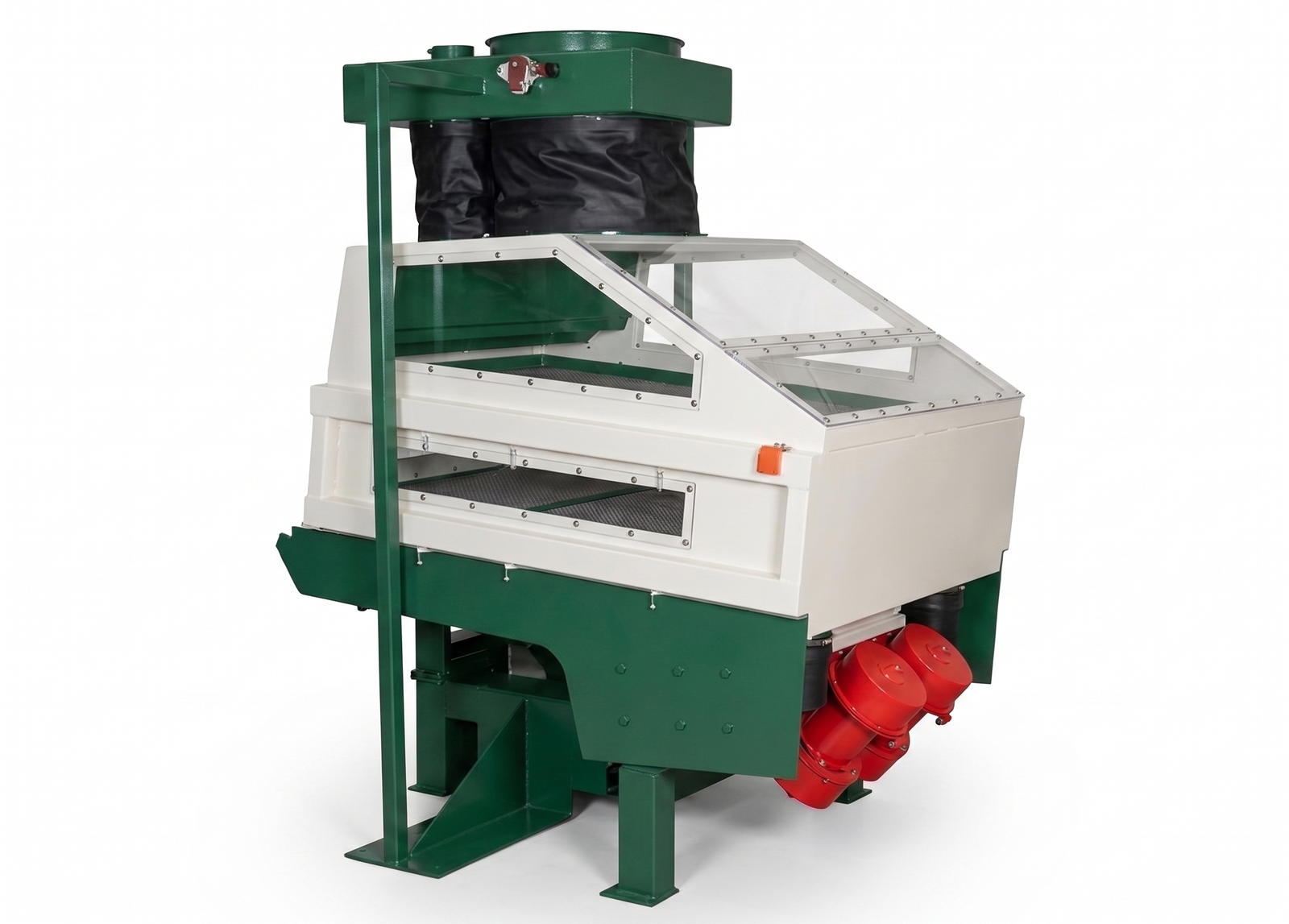
Cleaning and Magnetic separation
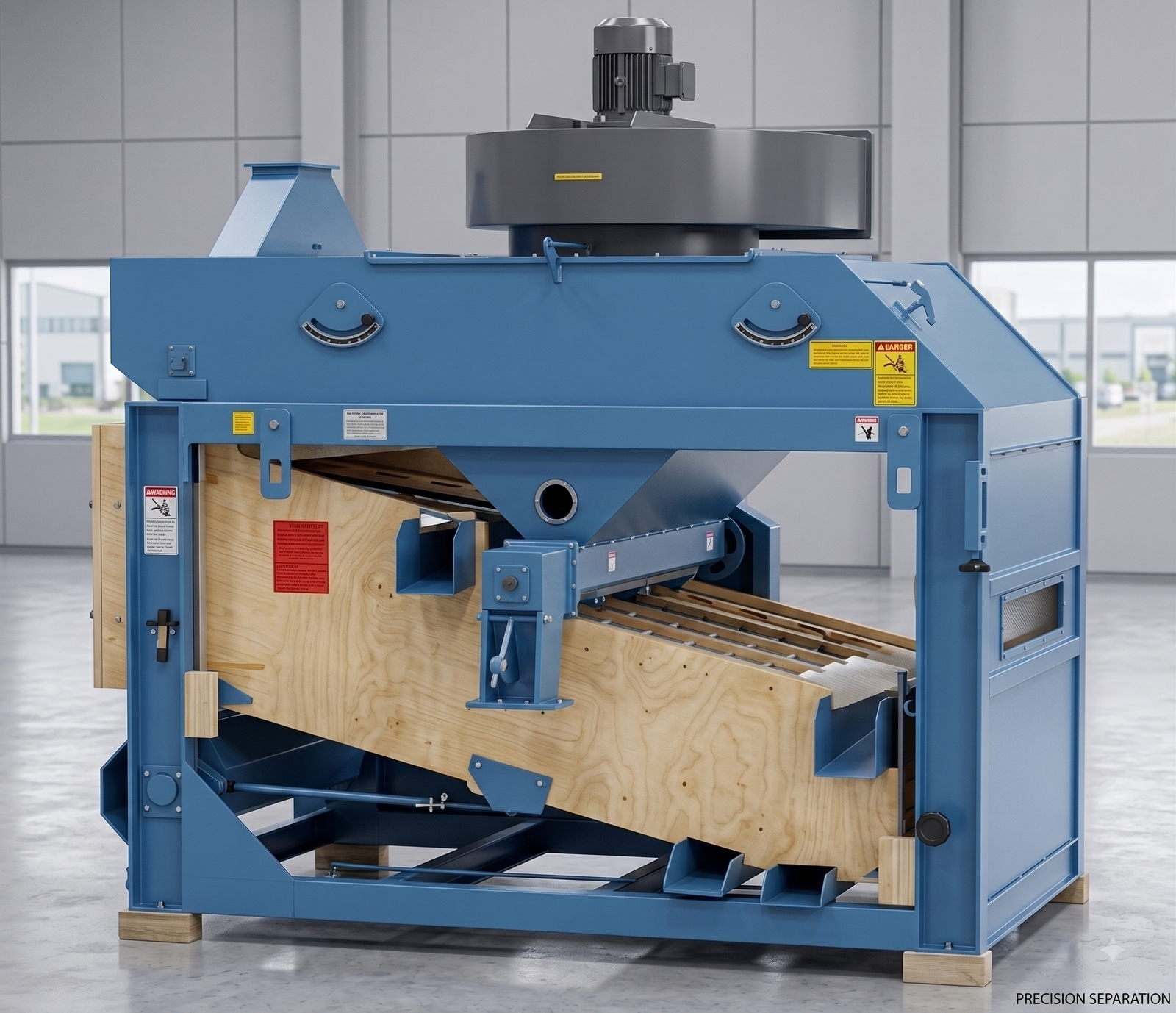
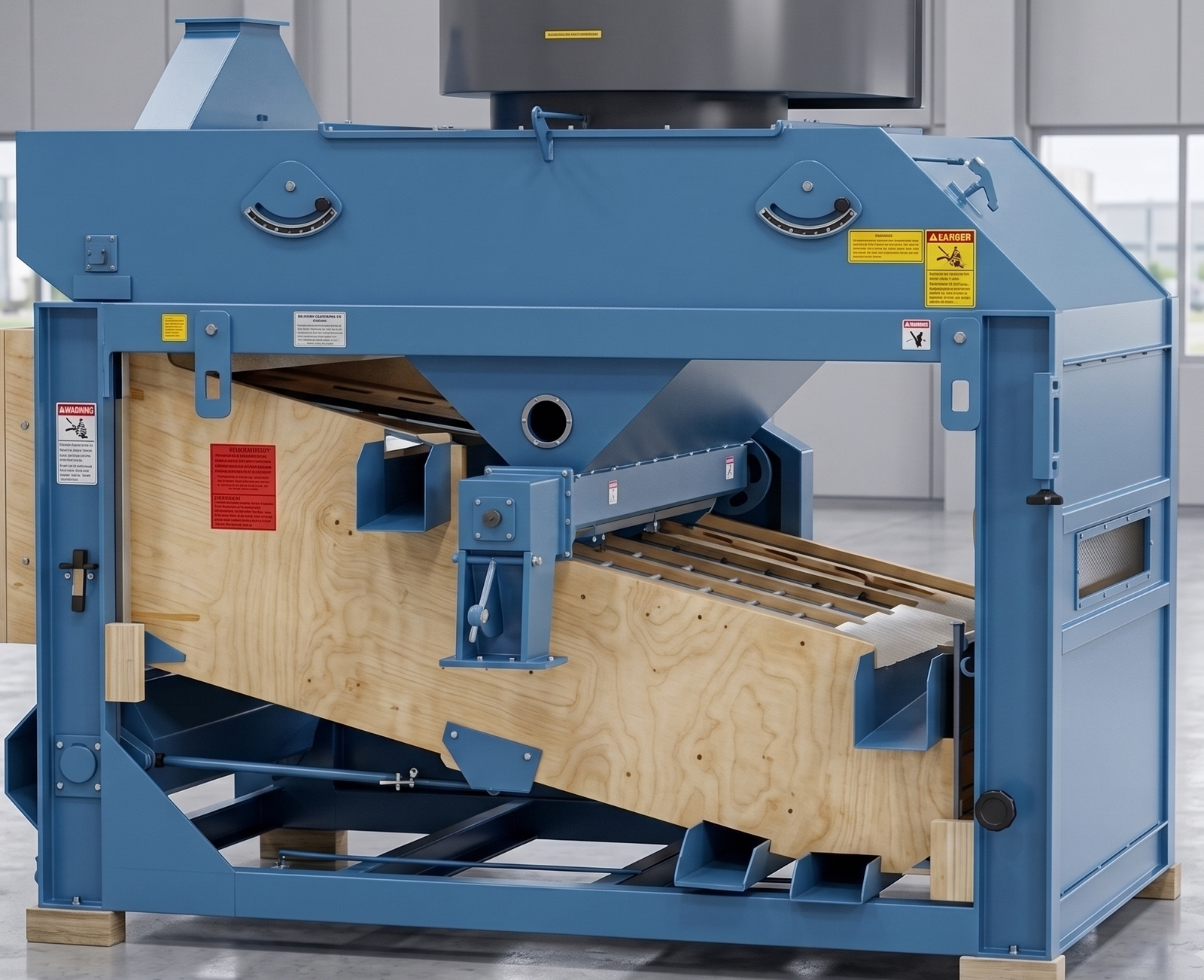
Oilseeds normally contain unwanted materials such as stones, dust, soil, stalks, leaves, husks and other foreign matter. Cleaning systems use equipment such as screens, aspirators and destoners to separate these materials.
Magnetic separators remove ferrous particles that could otherwise damage downstream equipment such as cracking mills, flaking mills and oil expellers. Thus, cleaning serves two purposes: protecting the product and protecting the machinery.
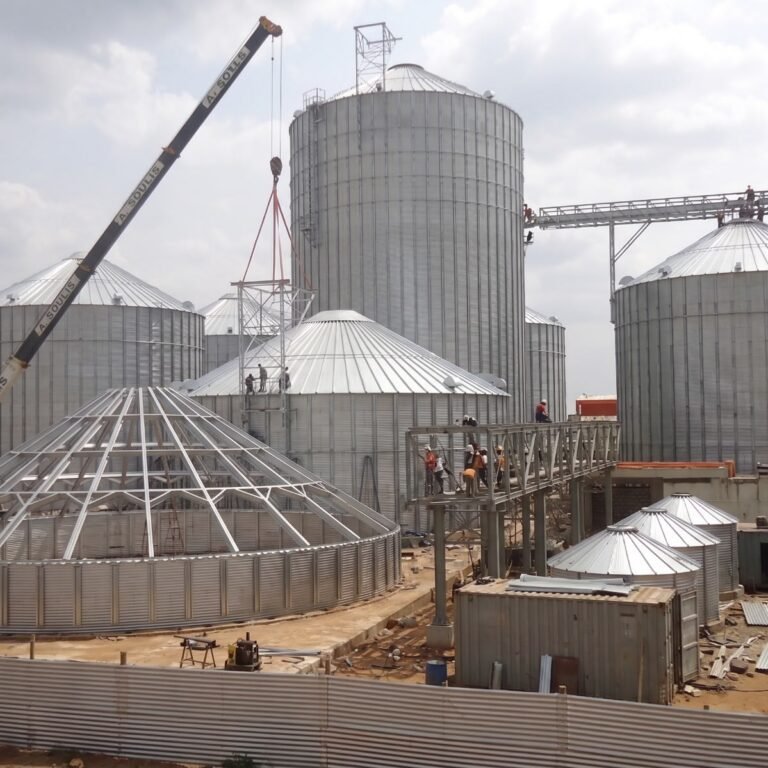
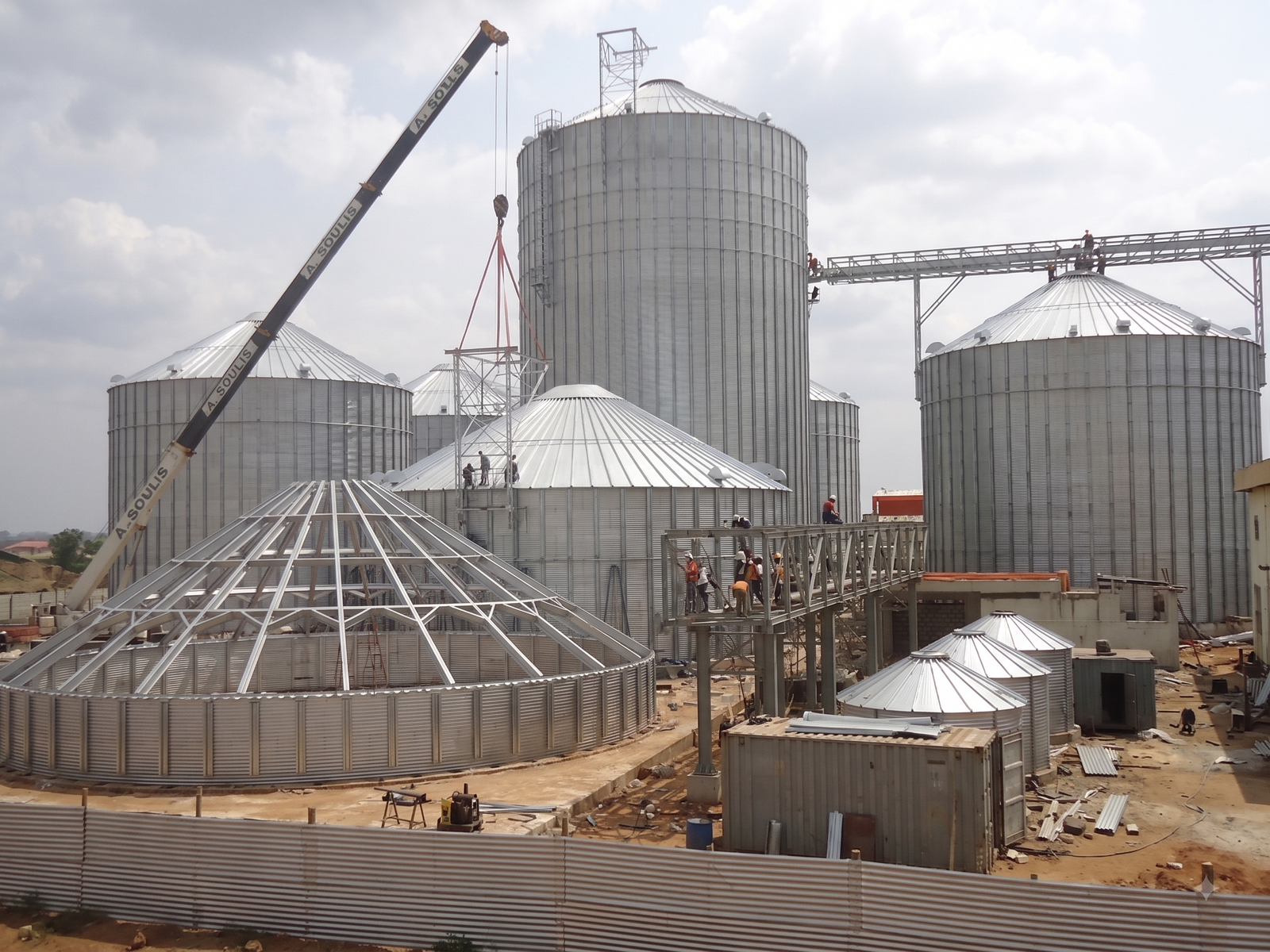
Seed storage Silos
Grading
Seeds in various sizes are graded and size-separated to create a more uniform feed for subsequent operations. Seeds are then stored in Silos.
Consistent feed characteristics are particularly useful for controlled cracking, dehulling and flaking.
Drying and Conditioning
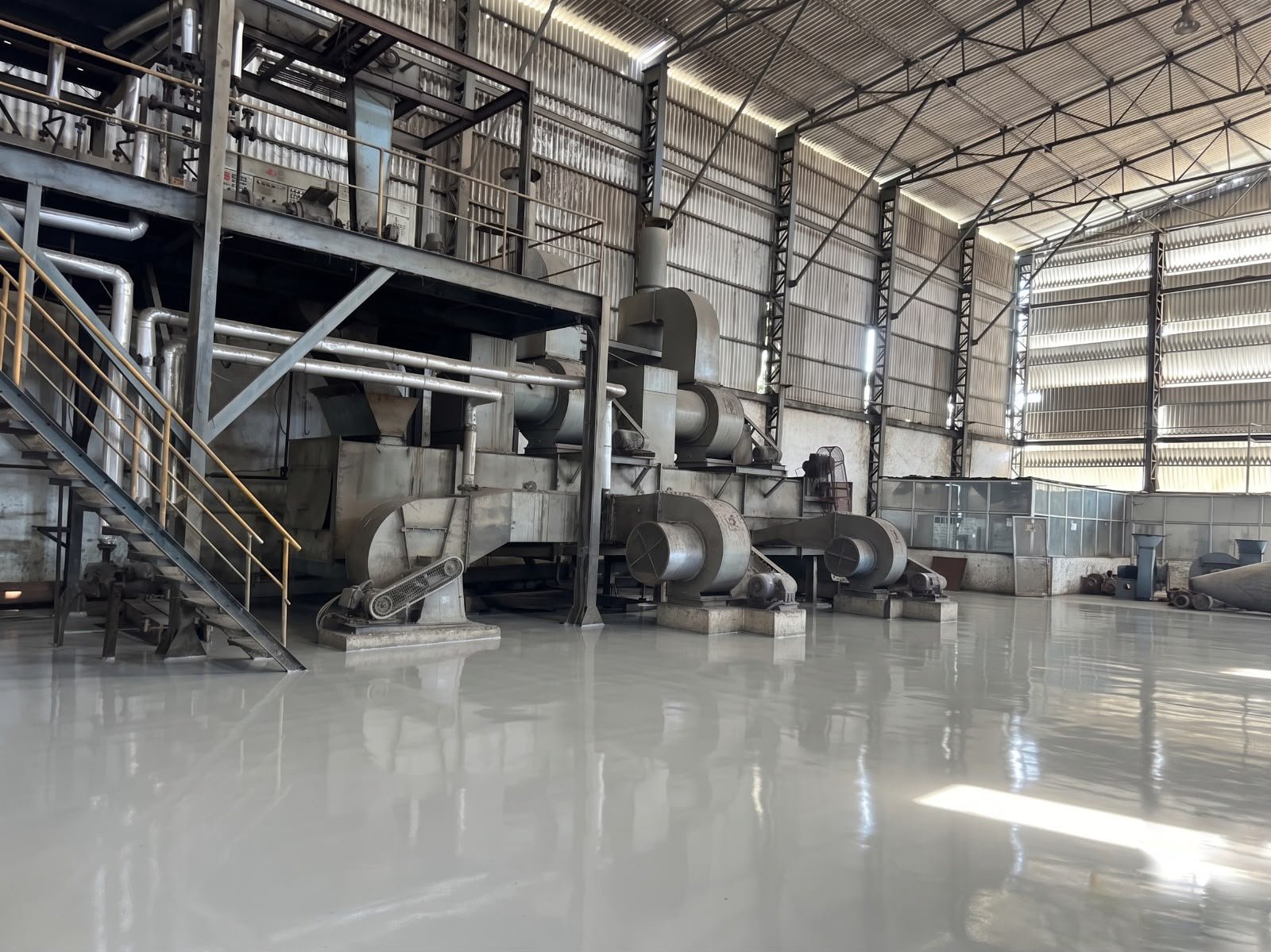
Moisture content has a significant influence on oilseed processing. Excess moisture can affect storage stability and interfere with subsequent mechanical operations. Insufficient moisture can also affect the behaviour of the seed during cracking, flaking and extraction. The seed is therefore dried or conditioned to achieve suitable processing characteristics.
Seed preparation Equipment
Seed Preparation involves several stages as follows:
Dehulling or Decortication
Certain oilseeds contain a substantial outer hull. Dehulling separates the hull from the oil-bearing kernel. Removing an appropriate proportion of hull can improve the characteristics of the material entering extraction and can also improve the quality and composition of the resulting meal.
The separated hull may have applications as a fuel or in other value-added uses, depending on the oilseed and plant configuration.
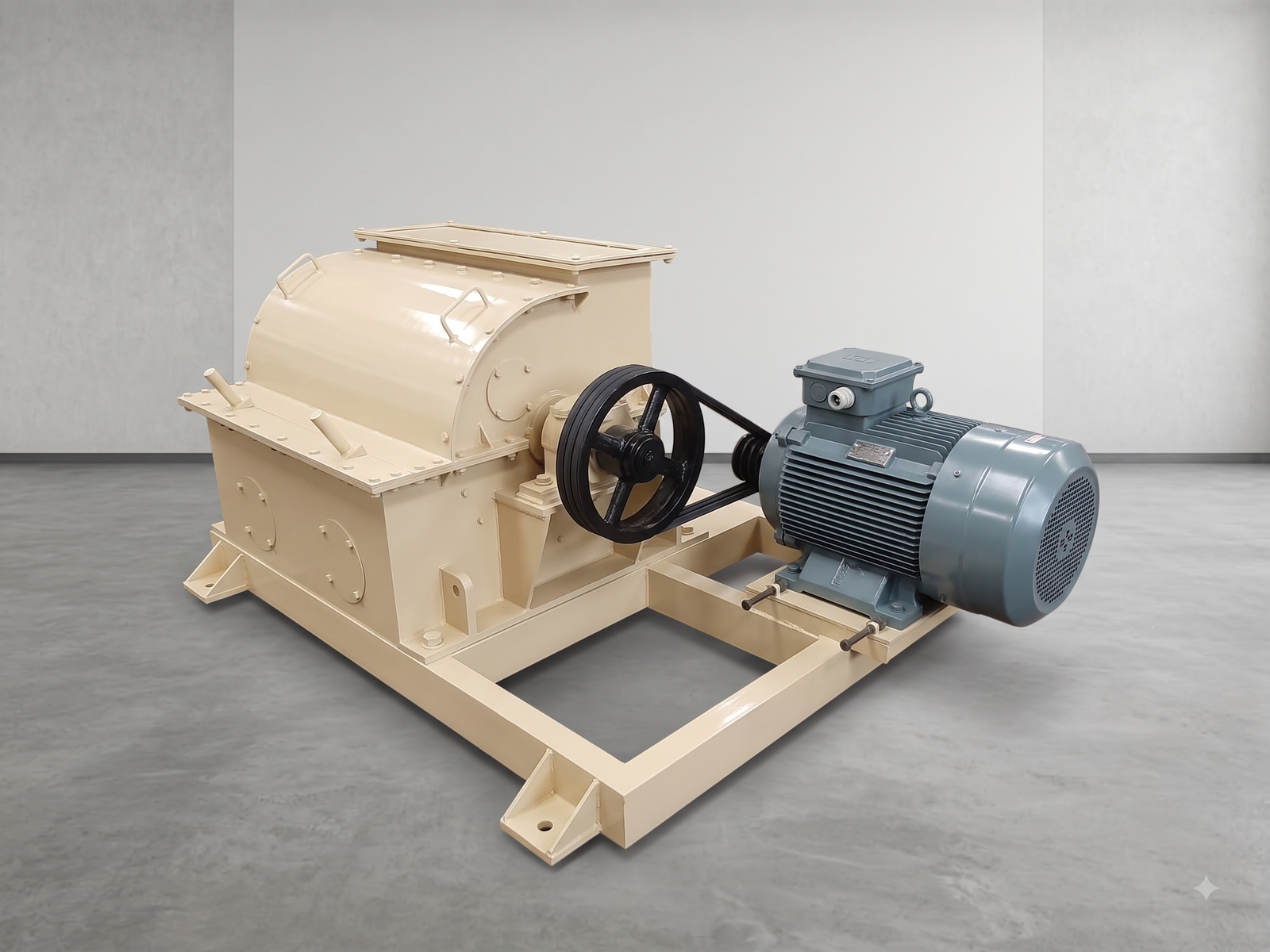
Cracking
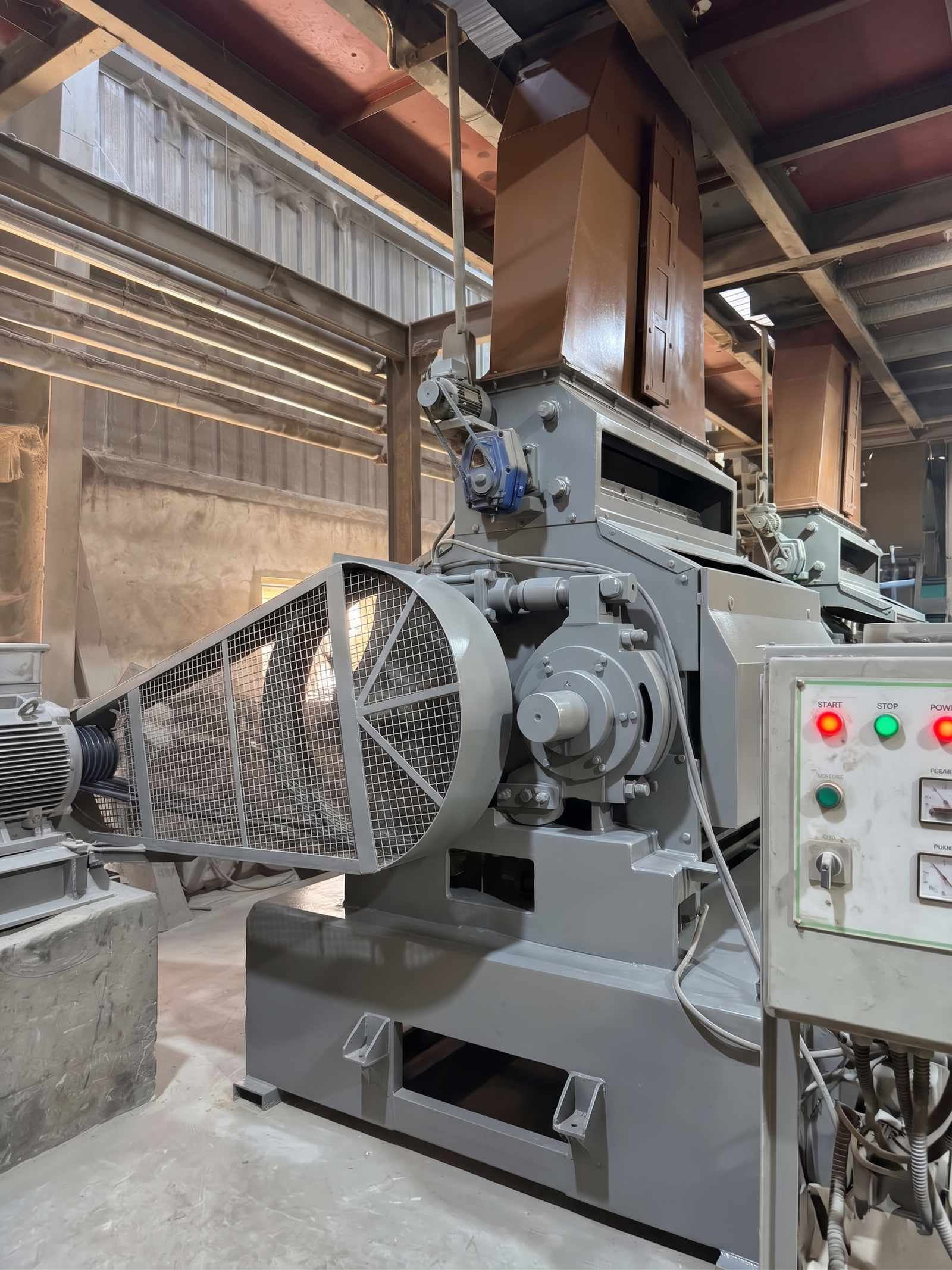
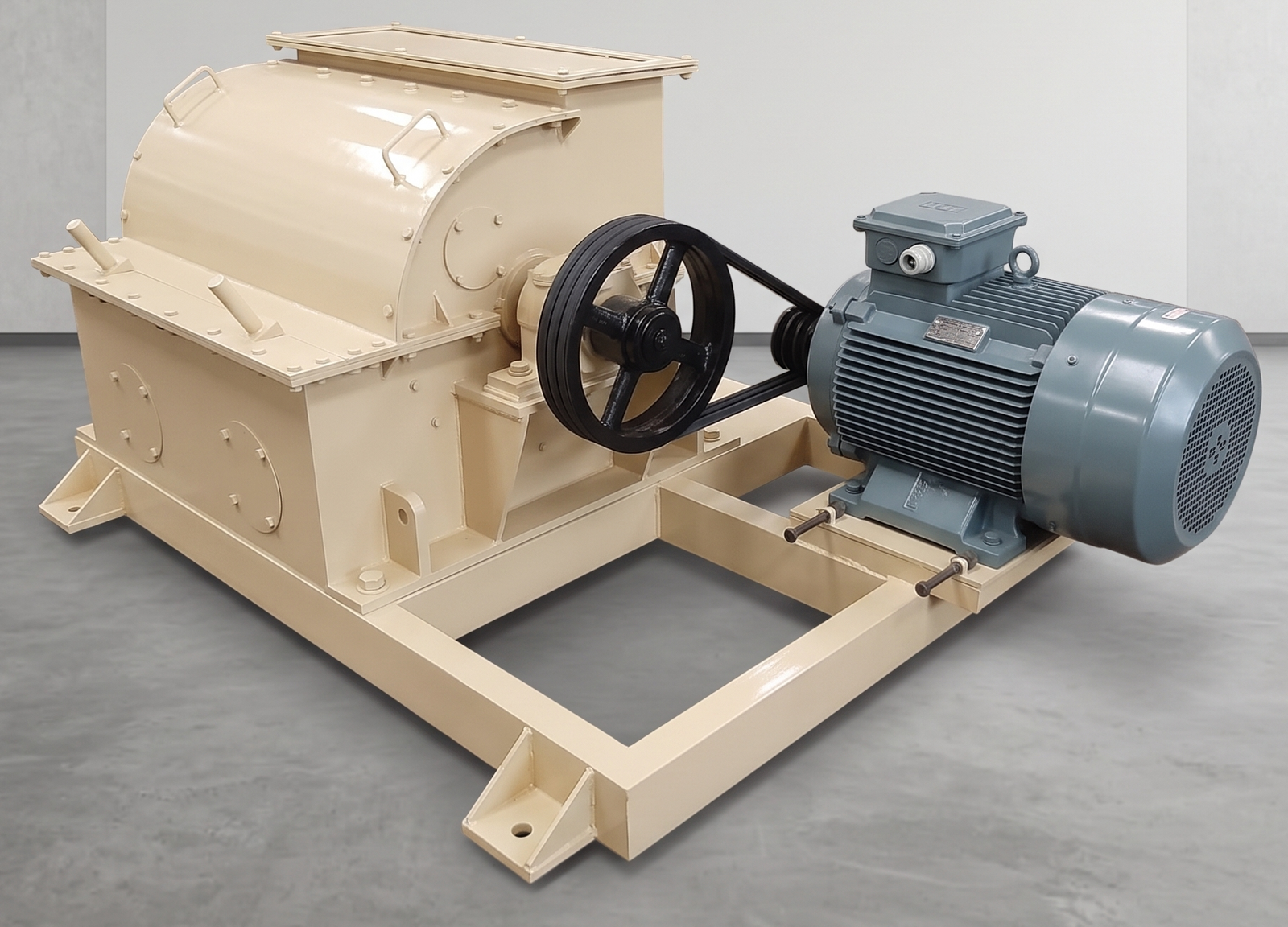
The cleaned and prepared seed is mechanically broken into smaller pieces using cracking rolls or similar equipment. Cracking disrupts the seed structure and exposes the oil-bearing material.
The objective is controlled size reduction rather than pulverization. Excessive fines can create problems in downstream operations.
Flaking
Cracked seed is passed through flaking mills, where it is compressed between rolls to produce thin flakes.
Flaking is an important preparation operation because it reduces particle thickness and exposes more of the oil-bearing material. This improves the subsequent transfer of heat and, where solvent extraction is used, solvent contact with the prepared material.
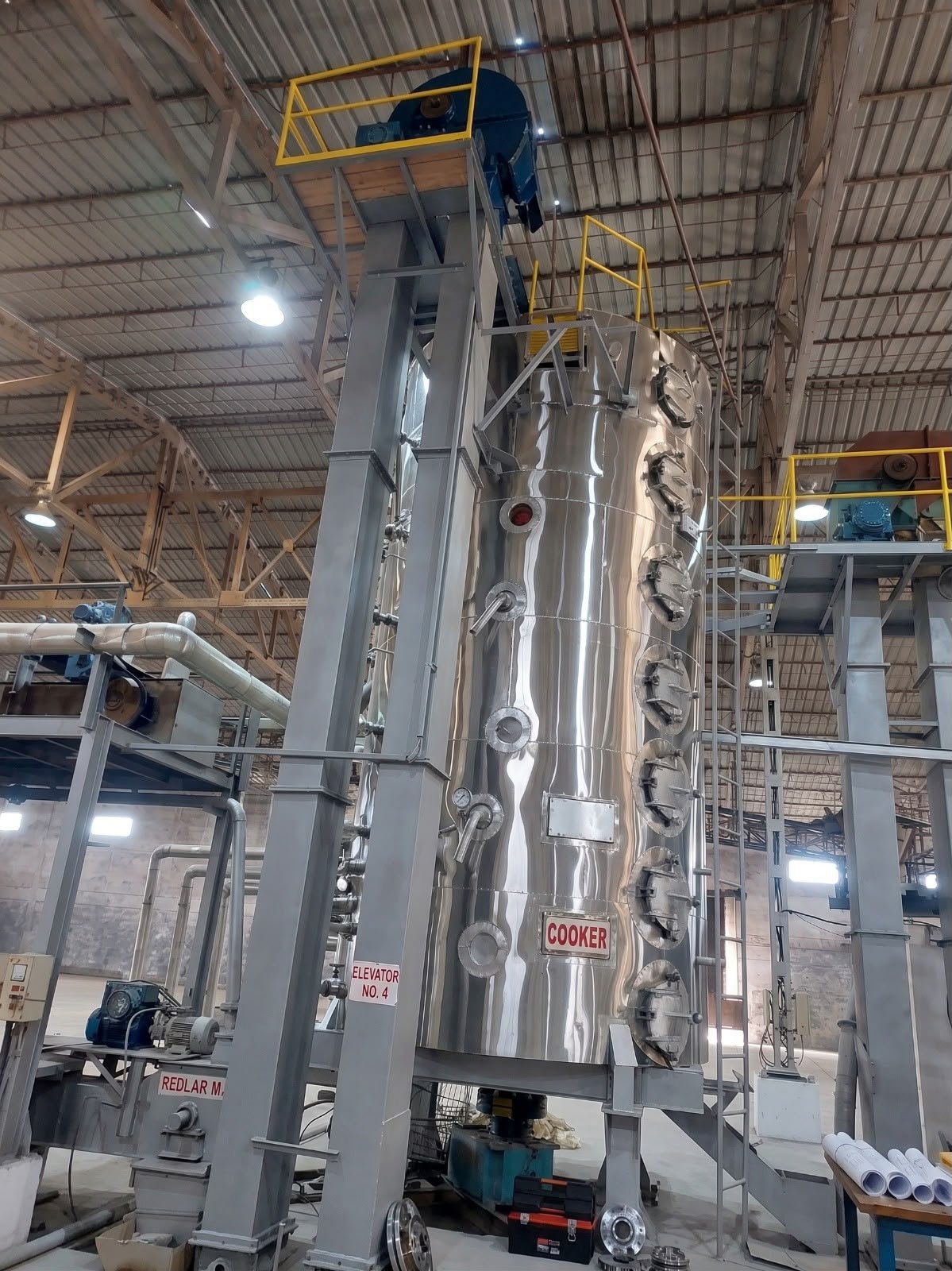
Conditioning or Cooking
The prepared flakes may then undergo controlled heating and moisture conditioning.
This operation modifies the physical characteristics of the material and assists oil release during extraction. Temperature, moisture and residence time are important process parameters.
Thus, seed preparation is not merely a cleaning exercise. It is an integrated sequence designed to transform the incoming seed into a condition suitable for efficient oil extraction.
Material Conveying systems
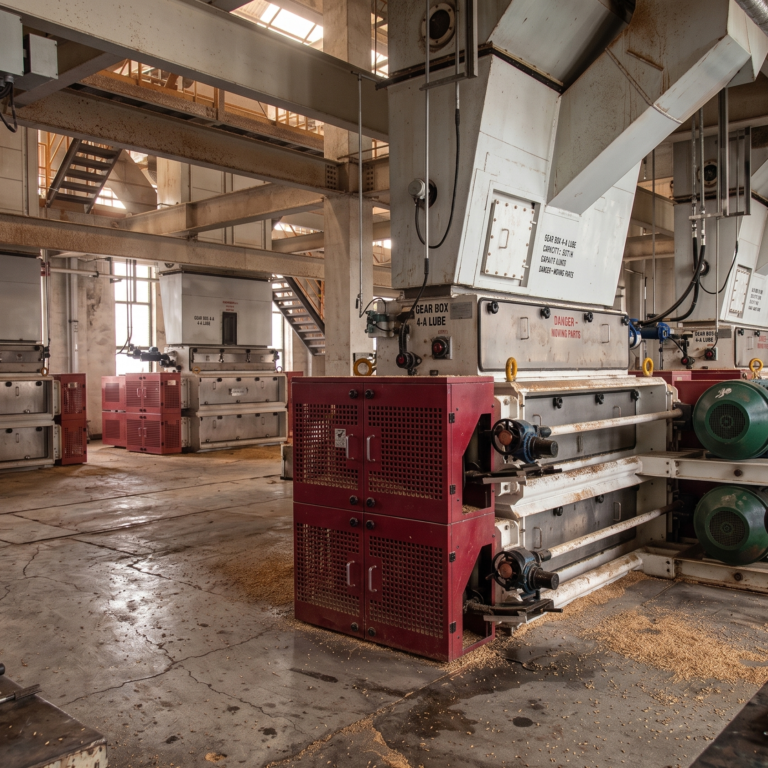
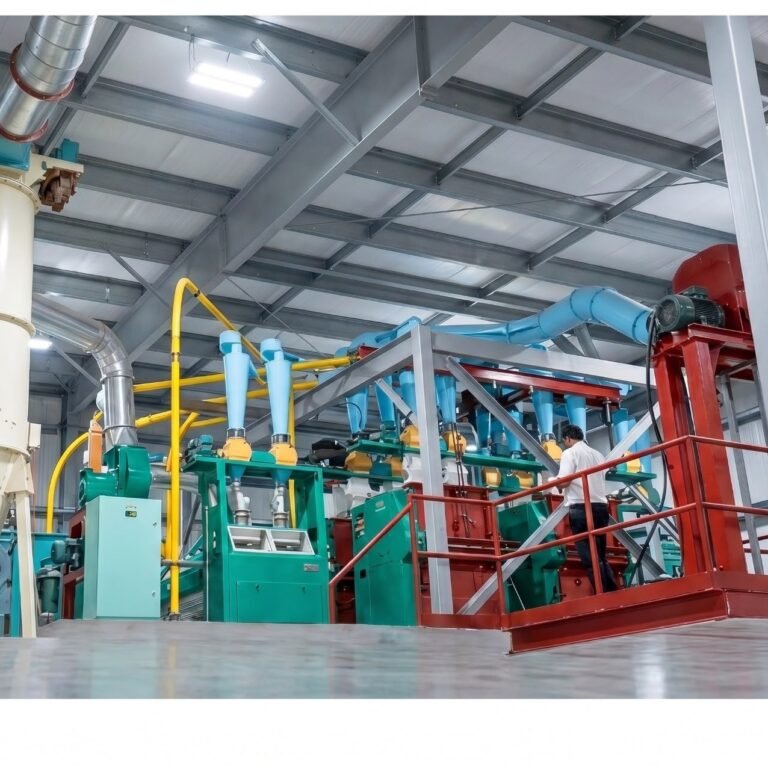
Material Conveying systems inlude Bucket Elevators and Chain Conveyors. We supply complete equipment and spare parts for all Material Handling systems.